Common Mistakes to Avoid When Selecting High-Pressure Pipes
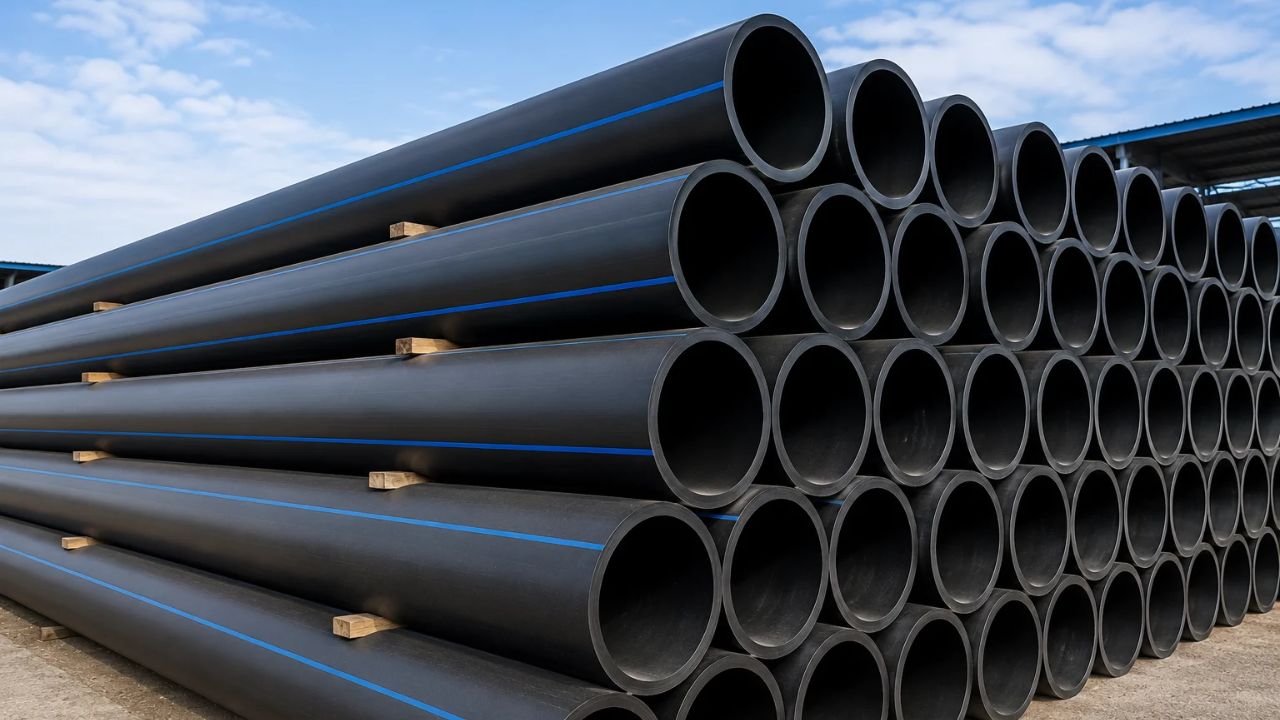
Failure to clearly understand the actual pressure requirements of the system is one of the greatest errors that buyers make when choosing high-pressure pipes. High Pressure Pipe is designed to withstand specific pressure levels, and selecting a pipe without determining the actual working pressure and peak pressure may lead to serious failures. Normal operating pressure is often thought about by many users, and sudden spikes in pressure are not taken into account during start-up, shutdown, or change of systems. This may lead to leakage of pipes, their bursting, or shortening of service life. To prevent this error, engineers and buyers must always take the working pressure and the maximum possible pressure, and then choose a pipe that has a safe margin.
Choosing the Wrong Pipe Thickness or Schedule
A common error when choosing high-pressure pipes is the wrong choice of pipe thickness or schedule. Wall thickness is defined by such a schedule as Schedule 40 or Schedule 80 and has a direct influence on pressure handling capacity. Most purchasers opt to buy thinner pipes to save money without necessarily knowing the pressure capacity of such pipes. The thinner walls, however, might not be able to sustain long periods of high pressure and might deform or crack under strain. Conversely, excessively heavyweight pipes can add cost and weight without necessity. The right way is to fit the pipe thickness with the pressure of the system design, temperature conditions, and safety requirements in order to provide proper functioning without excessive expenditures.
Overlooking Temperature Effects on Pipe Strength
Temperature is a very important aspect of the performance of high-pressure pipes, yet it is usually overlooked during the selection. Very high temperatures may cause weakening of the material of the pipes, and very low temperatures may make some materials brittle. It could be like steel pipes losing strength during high temperatures and PVC pipes not doing well with extreme changes in temperature. Pipes can swell, get weak, or, under pressure, they can break down unless the temperature conditions are taken into account. The engineers are advised to regularly check the temperature range of the system and to install pipes with pressure and temperature ratings, and not only pressure.
Not Considering Safety Factors and Standards
Most consumers commit the error of choosing pipes that have not been examined in relation to industry conditions and safety aspects. High-pressure systems are supposed to be highly adherent to such standards as API, ASTM, or EN specifications to be reliable and safe. Some users are solely interested in price and do not pay attention to certifications, posing the risk of using pipes of low quality or inappropriate use. Safety factors are also key since they give additional strength to the normal working conditions. Even minor pressure variations may lead to damage without appropriate safety margins. To prevent this error, it is advisable that buyers are always concerned with selecting pipes that are up to the accepted standards and have the right safety ratings.
Ignoring Installation and Joint Quality
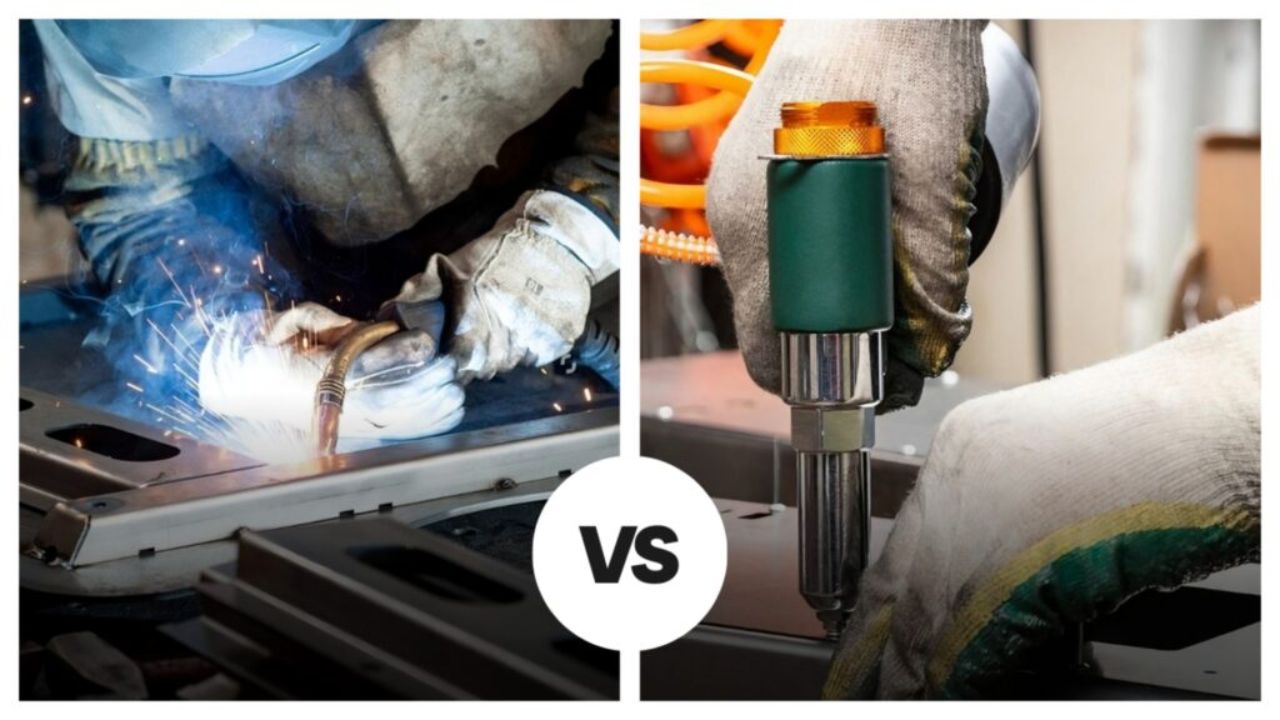
A system can easily fail even when the correct pipe is selected if the installation is poor or the joints are inadequate. One of the most common errors is the failure to consider the quality of welding, fittings, and connection techniques in high-pressure systems. Poor installation may leave weak spots where they may leak or burst when pressurized. In most instances, the users are not keen on the value of professional installation and appropriate sealing procedures. The tight pipes need to be perfectly aligned, highly welded, and fittings of high quality to ensure the integrity of the systems. Making sure it is installed by skilled personnel will enhance safety and performance in the long term.
Focusing Only on Cost Instead of Long-Term Value
One of the greatest errors in choosing high-pressure pipes is that they tend to look at the initial cost but not long-term performance and durability. Low-cost pipes are great initially; however, they can result in increased maintenance, replacement, and downtime of the system. Stressing conditions require tough materials that withstand continuous stress without failure. When consumers make their decisions on pure price, they tend to trade off on quality, safety, and life expectancy. It is more advisable to consider the total life cycle cost, in terms of maintenance, safety risk, and operational efficiency, but not the purchase price.
Conclusion
The choice of high-pressure pipes has to be made with significant attention to the pressure rates, material compatibility, thickness, temperature, safety, quality of installation, and the general value. A lot of industrial system failures occur not due to poor design but due to simple selection errors. These pitfalls may be avoided by engineers and buyers to guarantee safer operation, long-life of pipes, and improved performance of systems in harsh high pressure conditions.